When only 10 party invitations are sent out to a class of 20 students, it sends a message. When only 5 are chosen to play out of 10 friends, it sends a message. When 1 child receives encouragement out of 2, it sends a message. Division sends a loveless message.
Division plagued the Corinthian congregation. Their divisiveness even affected their celebration of the Lord’s Supper to the point that they were sinning against the body and blood of the Lord. The early Christians came up with a practice called a ‘love feast’ or ‘agape meal’, which began as a good thing where the congregation gathered for a meal, fellowship, prayer, Scripture reading, etc. before celebrating the Lord’s Supper. In Corinth, the divisiveness of the congregation ruined these meals as the affluent members began to eat together and exclude the poor members of the congregation. Paul acknowledged that this meant some were drunk and others hungry when it came time for the Lord’s Supper. Thus, many were not examining themselves before partaking and were sinning against the body and blood of the Lord. God punished them for this causing sickness and even death as a wakeup call to the seriousness of their sin.










As with the early Christians, we are to examine ourselves before celebrating the Lord’s Supper. For the Corinthians division was a widespread sin for which they needed to repent. On this Maundy Thursday, division is the opposite of Jesus’ ‘mandate’ (Maundy from the Latin mandatum meaning command) or command to his disciples and all Christians as we read in John 13, 34 “A new command I give you: Love one another. As I have loved you, so you must love one another. 35 By this everyone will know that you are my disciples, if you love one another.” Division plagued the Corinthians and it affects us. We act without love by excluding classmates from parties, friends from teams and children from love and encouragement. We play favorites and make deals for our benefit rather than serve and sacrifice for the good of others. We exclude some from hearing the gospel because they are a person we do not want to associate with. We live with the loveless attitude of the worldly and do not give others a reason to believe we are disciples of Christ. In addition, we do not show love to our God by properly examining ourselves before the Lord’s Supper taking for granted our spiritual poverty and plight and the free and full forgiveness of the new covenant bought and paid for with the blood of Jesus shed on the cross. We ought not expect all the blessings from the Lord’s Supper if we do not take the time to prepare ourselves to receive it.
Jesus followed through on preparing his body and blood to be given up for our forgiveness. In response to the Corinthians’ sins, Paul proclaimed the solution in our New Testament reading from 1 Corinthians 11, 23 For I received from the Lord what I also passed on to you: The Lord Jesus, on the night he was betrayed, took bread, 24 and when he had given thanks, he broke it and said, “This is my body, which is for you; do this in remembrance of me.” 25 In the same way, after supper he took the cup, saying, “This cup is the new covenant in my blood; do this, whenever you drink it, in remembrance of me.” 26 For whenever you eat this bread and drink this cup, you proclaim the Lord’s death until he comes. Repentance or reforming their lives was not the heart of Paul’s response to the sins of Christians. First, they needed to be reminded that Jesus lived a sinless life to provide himself as the innocent sacrifice on the cross to suffer, die and experience hell in our place so that his work would result in forgiveness, salvation and eternal life for the world. When we celebrate the Lord’s Supper, we proclaim that Jesus has done all of this for us. In the city of Pisidian Antioch Paul proclaimed in Acts 13, 38 “Therefore, my friends, I want you to know that through Jesus the forgiveness of sins is proclaimed to you.” Jesus is the source of forgiveness. God calls us to faith and strengthens our faith through the proclamation of the Gospel, and he has also connected his forgiveness to the Lord’s Supper. We not only hear, but receive in taste, touch, smell and sight and in faith the forgiveness of sins in the bread and wine, and the body and blood of our Lord. Jesus body and blood were given on the cross for the forgiveness of sins and they are miraculously, graciously given to us again for the forgiveness of sins in the Lord’s Supper.
Love is the result of celebrating the Lord’s Supper. God has filled us with his love, so he does not hesitate to command us to love one another. In our Gospel reading from John 13, we read, 14 Now that I, your Lord and Teacher, have washed your feet, you also should wash one another’s feet. 15 I have set you an example that you should do as I have done for you. Jesus modeled the kind of love we are to have for one another, one of service, not division. One way we love one another is to equip and encourage one another in examining ourselves for the Lord’s Supper. We do this by proactively join in a confession of sins and proclaim Jesus’ forgiveness to one another. We also confess what the Bible teaches trusting Jesus’ words that his body and blood are present in the Lord’s Supper, and that in receiving them, we receive his forgiveness. And we praise God for his new covenant in his blood, fulfilling what was pictured in our Old Testament reading from Exodus 24, 7 Then he took the Book of the Covenant and read it to the people. They responded, “We will do everything the Lord has said; we will obey.” 8 Moses then took the blood, sprinkled it on the people and said, “This is the blood of the covenant that the Lord has made with you in accordance with all these words.” We have not been sprinkled with the blood of bulls but receive the body and blood of Jesus to fight against temptation and sin eagerly pursing love for God and one another obeying what God has called and commanded us to do.
In examining ourselves, we find that whatever lovelessness, division, hurt, etc. is in our lives is from sin. In the Lord’s Supper, we find God’s forgiveness and salvation as the solution to that sin. His forgiveness affects our hearts affecting our attitudes affecting our thoughts affecting how we think, plan, hear and experience the world around us. This then affects our physical bodies giving us peace and relieving stress, and giving us the will to eat, drink, sleep, exercise, care for and steward the body God has given us. This meal unites us with God and unites us with one another. The peace we have in this meal is real, comprehensive and for our good. God would have us appreciate these moments where we eat and drink and proclaim our Lord’s death until he comes and brings us all to the banquet table in heaven. Amen.
Gunnar Ledermann, Pastor Divine Peace Church
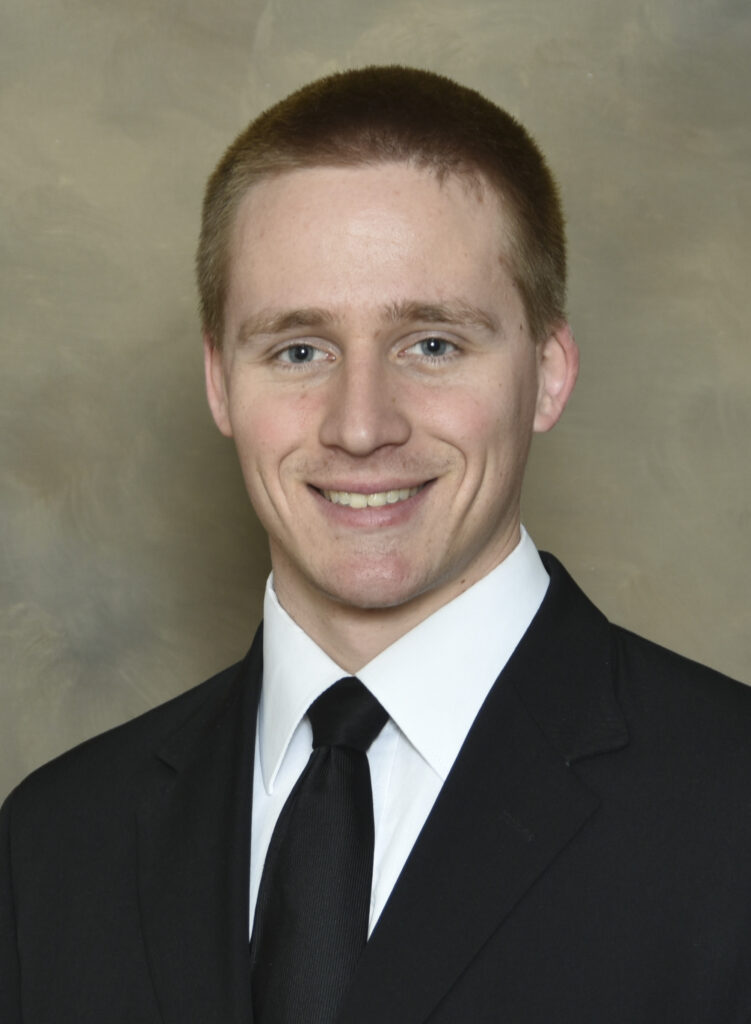
Gunnar Ledermann
I’m passionate about Rockwall’s vibrant community and actively engage with local non-profits and community organizations, including the Rockwall Chamber of Commerce, the City of Rockwall, and the Downtown Rockwall Association. My background includes a bachelor’s degree in Classical Languages and a master’s degree in divinity. Currently serving as a pastor at Divine Peace Church in Rockwall, I also enjoy spending time with my wife, Marinda, and our five children.