

The Power in the Pause
In a world that glorifies speed, hustle, and instant responses, pausing can feel uncomfortable—even wrong. We’re conditioned to react quickly: to answer the email, send the text, or make the decision on the spot. But there’s a difference between reacting and responding, and that difference can change the entire trajectory of your life.





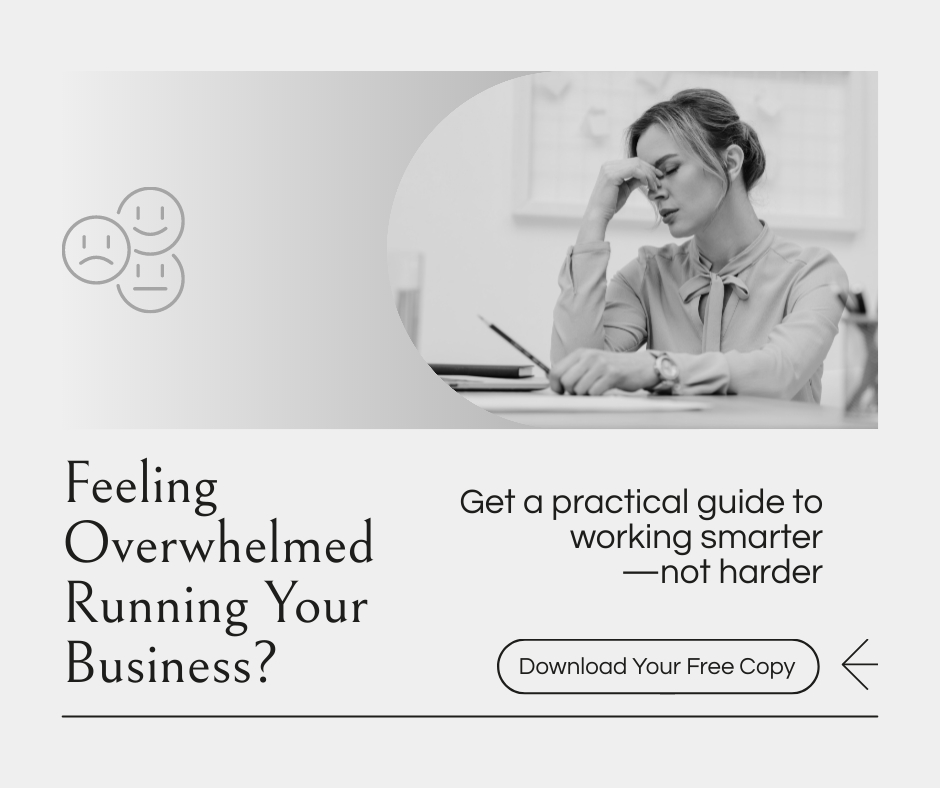




Reacting is instinctual. It’s driven by your nervous system, old patterns, and the emotions of the moment. Responding, however, is intentional. It requires space—space to breathe, to assess, and to choose from alignment rather than reactivity. The pause is where your power lives.
Why We Default to Reacting
Reacting isn’t weakness—it’s human. It’s how our brains are wired for survival. When we feel threatened, our fight, flight, or freeze responses kick in. But what once kept us safe in dangerous situations now shows up in our daily lives. A sharp email from a coworker, a heated conversation with a partner, or even a challenging post on social media can activate the same instinct to defend, escape, or shut down.
The problem is that when we react from this place, we’re not making decisions from our higher self—we’re acting out of fear, defensiveness, or old conditioning. That’s why reactions often leave us feeling drained, regretful, or disconnected.
The Strength of Responding
Responding is different. Responding is a conscious choice. It’s the practice of pausing to check in with yourself before moving forward. That pause, though small, is radical. It’s you saying: “I will not be ruled by urgency or emotion. I will choose my energy, my words, and my actions from a place of clarity.”
The hidden strength of pausing is that it creates space for alignment. Instead of letting emotions dictate the outcome, you step into your power as the creator of your reality. Pausing allows you to:
- Regulate your nervous system so you’re not making decisions in survival mode.
- Access deeper clarity and intuition instead of being swept away by the moment.
- Choose actions that reflect who you want to be, not who old patterns have made you.
How to Practice the Pause
The pause isn’t about perfection—it’s about awareness. Here are a few ways to practice responding instead of reacting:
- Breathe First, Speak Later
The next time you feel triggered, pause for three deep breaths before answering. This resets your nervous system and gives your mind a moment to catch up to your emotions.
- Ask a Grounding Question
Try: “What outcome do I want from this?” or “Will this matter a week from now?” These questions shift you from reaction to perspective.
- Notice Your Body’s Signals
Your body often reacts before your words do—tight chest, clenched jaw, shallow breathing. Use those signals as reminders to pause.
- Buy Yourself Time
If you’re in a heated conversation, it’s okay to say, “I need to think about this and come back to it.” Responding later is still responding.
Responding as an Act of Self-Mastery
Responding instead of reacting is not about holding back your truth—it’s about speaking it with intention. It’s self-mastery in action. When you pause, you reclaim authority over your energy, your words, and your choices. You shift from being a passenger of your emotions to being the driver of your destiny.
And here’s the truth: the more you practice pausing, the stronger you become. That pause becomes the bridge between your old patterns and your new reality. It’s where growth, healing, and alignment begin.
Final Reflection
Every moment offers you a choice: to react from old conditioning or respond from your highest self. The strength lies not in moving faster, but in slowing down enough to choose wisely.
Next time you feel the pull to react, remember this: the pause is not weakness—it’s power.