

Rockwall Voices Op-Ed
The Mental Health Crisis Small Business Owners Won’t Talk About
We love to talk about resilience.
We glorify the small business owner—the lone wolf, the self-starter, the “built-it-from-nothing” story. We post about hustle culture, rising at 5 a.m., grinding through obstacles with grit and gratitude. For a long time, I leaned into that, too. I was that guy.




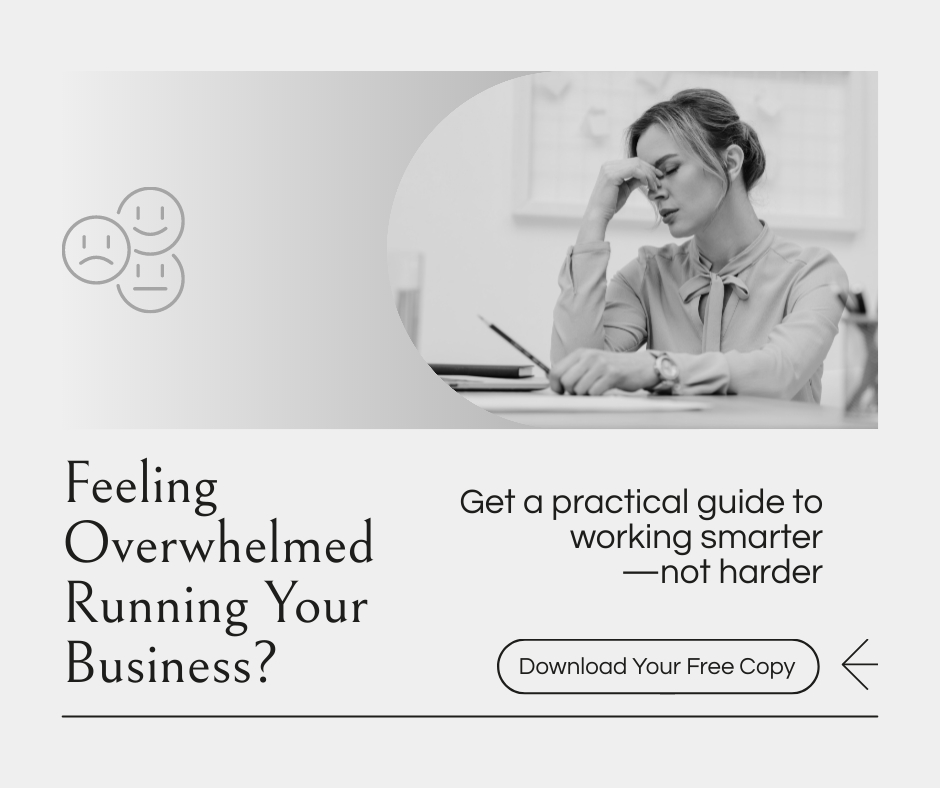




But behind the logos, the marketing, the passion projects, the late-night editing sessions and the “I got this” attitude, there’s a truth many of us don’t say out loud: this lifestyle is emotionally brutal—and sometimes, it breaks you.
As a photographer, creative entrepreneur, and former youth coach, I’ve poured myself into my work. I’ve built businesses, served communities, mentored others, adapted to survive. But I’ve also suffered anxiety attacks so intense, I’ve had to lie down for hours just to breathe through them. When I get overwhelmed—which is often—the anxiety doesn’t hum in the background. It paralyzes me. I can’t focus, can’t function, and the longer things pile up, the heavier everything feels.
I live with depression. I live with ADD. I also live with a lifelong diagnosis of codependency—a trait that, in high school, was described to me as “off the charts.” I say yes to everything and everyone, even when it costs me sleep, sanity, or stability. I have a voracious need to make others happy, even at my own expense. I take on too much, suffer in silence, and then beat myself up when I inevitably fall behind.
Add to that congestive heart failure, AFib, and a body that breaks down when pushed too hard—and you start to understand the emotional math I calculate daily:
- Try to stay alive… while still meeting deadlines.
- Try to rest… without drowning in guilt.
- Try to show up… when I feel broken.
And I mean that—broken. Not sometimes. Most times.
And still—I try. I create. I build. I fight.
Because here’s what people don’t see: for someone like me, accomplishing even one thing is a massive victory. Sending an email. Finishing a photo set. Following through on a promise. To some, these are normal tasks. To me, they are Everest.
That’s why I never stop reinventing myself—photographer, coach, real estate agent, nonprofit founder, DJ. I keep searching for a version of life where I can finally land safely. A niche where I can just breathe.
I know I’m not alone.
Small business owners—especially creatives, freelancers, and service-based entrepreneurs—are quietly enduring a mental health crisis. We carry the pressure of financial survival, the weight of our brand’s reputation, the anxiety of unstable income, and the fear of failure… all in silence.
There’s no paid time off. No HR department. Even if therapy is available, there’s often no time—or budget—to pursue it between gigs, invoices, and side hustles.
The pandemic magnified everything. I watched friends close their businesses. I watched others burn out. Some of us pivoted. Some of us prayed. Some of us buried the stress while still smiling for clients.
Now, with inflation surging and costs rising again, many small business owners are barely hanging on—and no one’s talking about the toll that takes on our mental health. We still post. Still smile. Still write “Happy to help!”—even when we’re drowning.
Why don’t we talk about it?
Because vulnerability feels like weakness. Because failure, we’re told, is our fault. Because showing anything less than strength might cost us clients, contracts, or credibility. Because the myth of the grind leaves no room for softness.
But here’s the truth:
We are not machines. We are not brands.
We are people—with dreams, yes—but also with limits. With emotions. With very real pain.
We need to make space for this conversation.
We need to normalize mental health struggles among small business owners. We need peer support networks. We need access to affordable therapy. And we need to give ourselves—and each other—permission to be human.
Hustle culture told us success is about working harder than everyone else. But real success? It’s staying well enough to keep showing up. It’s knowing when to rest. It’s allowing space for grief, fear, and honesty. It’s not just building the business—it’s sustaining the builder.
If we want our communities to stay rich in creativity and passion, we have to take care of the people behind the storefronts, behind the laptops, behind the lens.
Because sometimes, behind the grind… is a cry for help.
And it’s time we started listening.
About the Author
Ronald James Smithson is a Filipino American writer and award-winning photographer based in Wylie, Texas. He is the author of an upcoming book on DFW mall culture of the 80’s. This is his first published op-ed.
Disclaimer: The views and opinions expressed in this Op-Ed are those of the author and do not necessarily reflect the official stance of The Rockwall Times. We encourage a respectful exchange of perspectives to enrich our community dialogue.